Civic Center Office Cleaning for Government Contractors: Meeting Municipal Building Standards
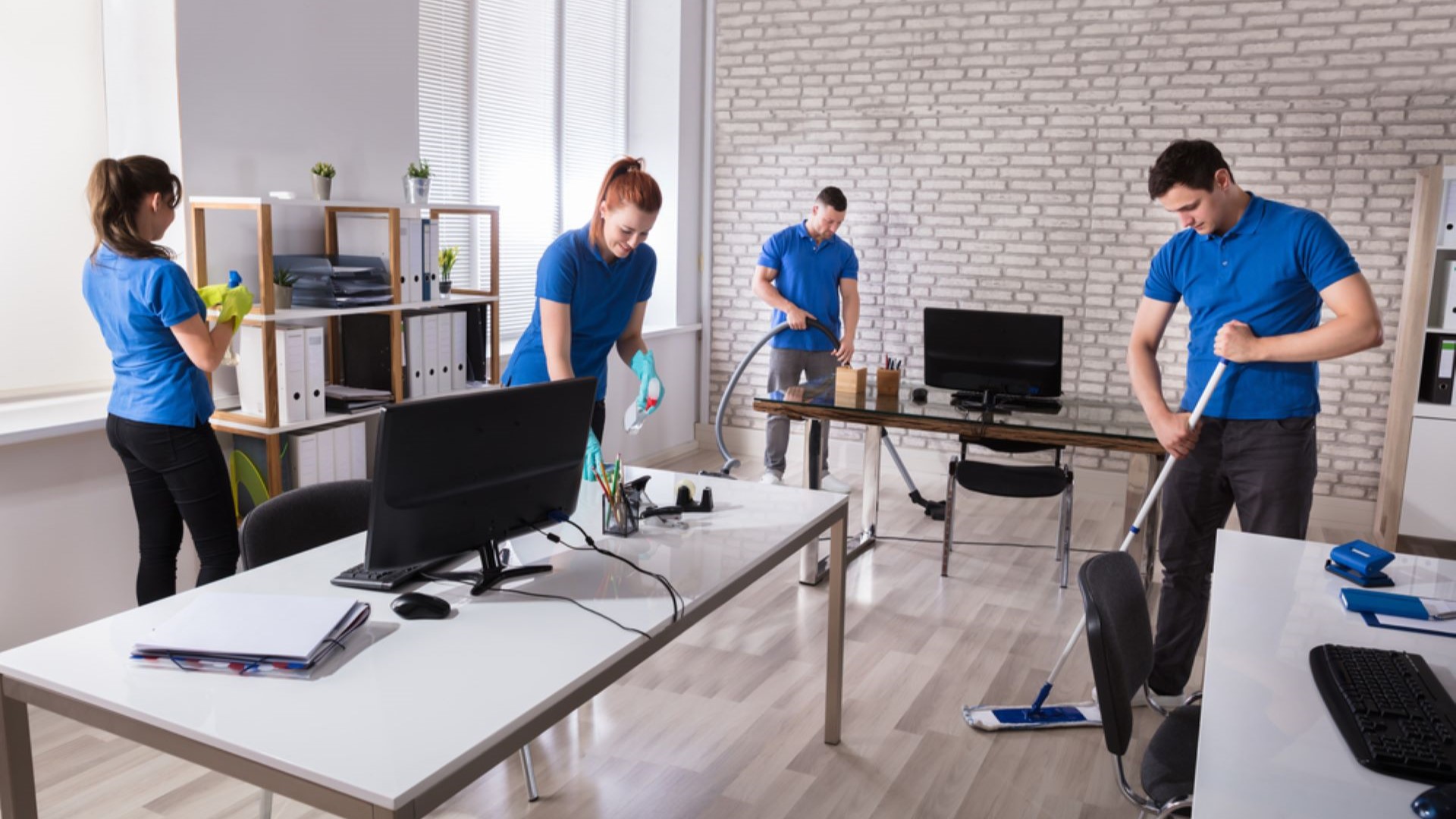
Government contractors operating in Manhattan’s Civic Center face cleaning and maintenance standards that exceed typical commercial office requirements. From federal courthouses near Foley Square to city agency offices throughout the district, civic center commercial cleaning must satisfy stringent regulations covering security protocols, environmental compliance, accessibility standards, and documentation requirements that private sector cleaning rarely encounters. For contractors managing these facilities, understanding and consistently meeting municipal specifications isn’t optional—it’s contractually mandatory and subject to regular inspection.
Whether you’re a government contractor recently awarded a municipal cleaning contract or a facility manager coordinating cleaning services for Civic Center offices, navigating the complex web of federal, state, and city requirements demands specialized expertise. The stakes extend beyond simple cleanliness to encompass regulatory compliance, security clearances, and performance metrics that can affect contract renewals and future bidding opportunities. This guide examines the unique requirements of government building cleaning and how to consistently meet the elevated standards municipal facilities demand.
What Is Commercial Cleaning for Civic Center Government Buildings?
Commercial cleaning for Civic Center government buildings is a specialized service meeting federal, state, and municipal facility maintenance standards including security clearances, environmental regulations, OSHA compliance, accessibility requirements, and detailed documentation protocols beyond standard private sector cleaning contracts. Unlike typical office cleaning, government building cleaning civic center involves background-checked and often security-cleared personnel, use of approved green cleaning products meeting environmental specifications, adherence to specific cleaning frequencies and methodologies outlined in government contracts, and comprehensive record-keeping demonstrating compliance with contractual obligations. For municipal office cleaning civic center locations, this typically includes coordination with multiple government agencies, flexibility for security situations affecting building access, and understanding of public facility requirements including ADA compliance and occupant health standards.
Essential components of government building cleaning include:
- Security clearance and background check requirements for all cleaning personnel
- EPA-certified green cleaning products meeting government environmental standards
- Detailed documentation and reporting systems tracking all cleaning activities
- OSHA compliance for worker safety and hazardous material handling
- ADA compliance ensuring accessibility standards in public areas
- Emergency response protocols for security incidents or building closures
Why Civic Center Government Facilities Require Specialized Cleaning
The Civic Center’s concentration of federal, state, and municipal offices creates a regulatory environment where cleaning services operate under scrutiny and standards fundamentally different from private commercial buildings.
Security requirements dominate government facility operations. All cleaning personnel require background checks at minimum, with some facilities demanding additional security clearances. Access to certain areas may require escorts or special authorization. Equipment brought into buildings faces inspection. Photography and recording devices are typically prohibited. Professional <a href=”https://crazypeazycleaning.com/civic-center/commercial-cleaning/”>Commercial Cleaning in Civic Center</a> government buildings requires understanding and consistently following these security protocols.
Environmental compliance mandates use of specific cleaning products. Government contracts typically specify EPA Safer Choice, Green Seal, or similar certified products. Traditional cleaning solutions, even if effective, may be contractually prohibited if they don’t meet environmental standards. Proper disposal of cleaning waste follows regulated procedures.
Documentation requirements exceed private sector expectations. Government contracts demand detailed logs tracking cleaning activities, product usage, personnel assignments, and completion verification. These records face regular audit and must be maintained for specified retention periods. Incomplete or inaccurate documentation can trigger contract violations regardless of actual cleaning quality.
Occupant health standards reflect government responsibility for employee wellbeing. Indoor air quality monitoring, proper ventilation during cleaning, restrictions on cleaning during occupied hours, and allergen management protocols often appear in government facility contracts. Contractors must demonstrate how their practices protect building occupants.
Public accountability means government facilities face scrutiny from taxpayers, oversight bodies, and media that private businesses don’t encounter. Cleaning quality reflects on government agencies themselves, creating pressure for consistently high standards and compliance with all regulations.
Common Cleaning Standards in Civic Center Municipal Buildings
Government cleaning contracts specify standards in detail that private sector agreements rarely match:
Frequency specifications: Contracts detail exactly which areas receive daily, weekly, monthly, or quarterly cleaning. Restrooms might require multiple daily services. Lobbies need daily attention. Conference rooms get cleaned after each use. Offices receive weekly comprehensive cleaning. Deviating from specified frequencies constitutes contract violation.
Quality metrics: Government contracts often include measurable cleanliness standards—percentage of surfaces that must pass white-glove tests, acceptable dust levels measured by specific methods, floor appearance ratings using defined scales. These objective metrics replace subjective “clean enough” assessments common in private sector.
Product specifications: Contracts list approved products by brand and product line, or specify certification standards products must meet. Substitutions require formal approval through contract modification procedures. Using unapproved products, even superior ones, violates contract terms.
Time restrictions: Many government facilities prohibit or restrict cleaning during business hours due to security, privacy, or operational concerns. Contractors must staff appropriately for after-hours work and coordinate access with building security.
Safety protocols: OSHA compliance is mandatory and regularly inspected. Proper chemical storage, safety data sheet availability, personal protective equipment requirements, and accident reporting procedures all receive detailed specification and oversight.
Waste handling: Government facilities often have strict recycling requirements, secure document destruction protocols, and hazardous waste procedures. Cleaning contractors must understand and follow these systems precisely.
How Government Cleaning Contracts Differ from Private Sector
Understanding these distinctions helps contractors and facility managers navigate Civic Center requirements:
Bidding and award processes follow formal procurement procedures. Sealed bids, public openings, lowest responsible bidder requirements, set-aside programs for certain businesses, and protest procedures create complexity unknown in private contracting. Winning bids requires understanding government procurement beyond simply offering competitive pricing.
Contract modification procedures require formal documentation. Private sector clients might verbally approve scope changes; government contracts demand written modifications through official channels before implementation. Informal agreements have no standing.
Payment structures and timing differ significantly. Government payment typically follows invoice submission, verification, approval through multiple levels, and payment processing that can take 30-60+ days. Private sector payment is usually faster. Contractors need appropriate working capital to manage these payment cycles.
Performance monitoring and inspection occurs regularly and formally. Government contracts often include quality assurance surveillance plans detailing inspection frequency, methods, and standards. Poor inspection results trigger corrective action requirements and can affect contract renewal.
Termination provisions in government contracts differ from private agreements. Default termination procedures, cure periods, and contractor rights all follow specific regulations providing protections but also limitations not found in private contracts.
What Documentation Do Government Cleaning Contracts Require?
Comprehensive record-keeping proves essential for government facility cleaning:
Daily activity logs document which areas were cleaned, by whom, when, and using which products. These logs must be complete, accurate, and available for inspection. Missing entries can trigger compliance issues even if cleaning occurred.
Product usage records track cleaning solution consumption, demonstrating appropriate dilution ratios and proper application. Excessive usage might indicate waste; insufficient usage might suggest inadequate cleaning.
Personnel documentation includes background check verification, training records, safety certifications, and security clearance status for all workers entering government facilities. This documentation must remain current and immediately available.
Safety records encompass accident reports, safety training completion, equipment inspection logs, and hazardous material handling documentation. OSHA compliance requires maintaining these records systematically.
Quality control documentation includes inspection results, corrective actions taken in response to deficiencies, and verification that corrections resolved identified issues. This documentation demonstrates continuous quality management.
Contract compliance reports submitted monthly or quarterly summarize activities, demonstrate meeting contract specifications, and provide data supporting invoice payments. These reports face detailed review before payment approval.
Are Green Cleaning Requirements Mandatory for Government Buildings?
Most Civic Center government facilities mandate environmentally preferable cleaning:
Federal facilities typically require EPA Safer Choice or equivalent certified products under executive orders and agency sustainability policies. Federal cleaning contracts specify these requirements explicitly.
New York City municipal buildings follow local laws requiring green cleaning products in city-owned and leased facilities. The city maintains lists of approved products that contractors must use.
State facilities follow similar environmental mandates requiring certified green products and sustainable practices. These requirements appear in contract specifications and face regular compliance verification.
Health considerations drive these requirements beyond environmental concerns. Government employers’ responsibility for employee health makes reducing chemical exposure through green cleaning a priority.
Contractors must invest in appropriate products, train staff in their proper use, and document compliance. Green cleaning products often require different application techniques than traditional solutions, necessitating proper training.
Can Small Cleaning Companies Win Government Contracts?
Government procurement often includes provisions specifically supporting small businesses:
Set-aside contracts reserve certain opportunities exclusively for small businesses, disadvantaged business enterprises, women-owned businesses, or other categories. These programs reduce competition and improve small companies’ chances.
Mentor-protégé programs help small businesses partner with larger contractors to gain experience, develop capabilities, and build track records supporting future independent bidding.
Contract bundling limitations restrict government agencies from combining contracts in ways that prevent small business competition. This creates more opportunities sized appropriately for smaller companies.
Past performance alternatives allow companies without government experience to demonstrate capability through private sector work, certifications, and other means rather than requiring existing government contracts.
However, small companies must meet the same standards as larger contractors. Investing in proper training, documentation systems, insurance coverage, and compliance capabilities proves essential regardless of company size.
How Does Civic Center Location Affect Cleaning Requirements?
The Civic Center’s specific characteristics shape cleaning service delivery:
The district’s concentration of government offices from federal courthouses to city agencies means cleaning services operate under constant oversight. Multiple regulatory frameworks converge here—federal security protocols at courthouses, state requirements at government offices, city mandates at municipal buildings. <a href=”https://crazypeazycleaning.com/civic-center/”>Government building cleaning services</a> must navigate this complex regulatory environment while maintaining consistent quality across varied facilities.
Historic building preservation affects many Civic Center properties. The Tweed Courthouse, Manhattan Municipal Building, and other historic structures require cleaning methods that preserve architectural integrity. Modern cleaning products and techniques must balance effectiveness with preservation requirements.
High security environment surrounding courthouses and certain government offices creates access challenges. Security screening for personnel and equipment, restricted access areas, escort requirements, and potential building closures during security incidents all affect service delivery. Contractors need flexibility responding to these situations.
Public accessibility requirements in government buildings exceed private office standards. ADA compliance affects everything from floor maintenance to restroom facilities to common area accessibility. Public buildings face higher scrutiny for accessibility than private offices.
Transit accessibility and the district’s excellent subway connections mean cleaning staff can reach Civic Center facilities easily, but parking for equipment-laden vehicles can be challenging. Loading and access logistics require planning and coordination with building management.
What Training Do Government Building Cleaners Need?
Comprehensive training proves essential for government facility work:
Security awareness training covers access protocols, identification requirements, prohibited items, restricted areas, suspicious activity reporting, and emergency procedures. All personnel working in government buildings need this foundational training.
Green cleaning certification demonstrates competency with environmentally preferable products and methods. Various programs offer certification that government contracts often require or prefer.
OSHA safety training covering hazard communication, bloodborne pathogens, slip and fall prevention, ladder safety, and personal protective equipment use is mandatory for cleaning personnel. Documentation of this training must be current.
Contract-specific training on particular building requirements, cleaning specifications, documentation procedures, and quality standards ensures personnel understand what’s expected in each facility.
Specialized skills training for floor care, carpet cleaning, hard surface maintenance, or other technical areas ensures work meets quality standards using appropriate methods.
Investment in training demonstrates contractor commitment to quality and compliance while reducing errors, accidents, and contract violations.
Navigating Municipal Building Standards in Civic Center
Government facility cleaning represents a specialized sector requiring expertise beyond standard commercial cleaning. The regulatory complexity, documentation requirements, security protocols, and quality standards create barriers to entry but also opportunities for contractors willing to invest in proper systems and capabilities.
Crazy Peazy Cleaning understands Civic Center government building requirements from security protocols to environmental compliance, from documentation systems to quality standards. Our experience working with government contractors and facility managers provides the specialized knowledge needed to meet municipal specifications consistently while maintaining the flexibility to respond to the unique situations government facilities present.
Whether you’re a contractor managing government cleaning obligations or a facility manager coordinating services for Civic Center offices, partnering with cleaning services that understand and can demonstrate compliance with municipal standards protects your contracts, satisfies oversight requirements, and ensures the quality government facilities and their occupants deserve. Professional <a href=”https://crazypeazycleaning.com/civic-center/commercial-cleaning/”>municipal office cleaning</a> goes beyond making spaces look clean—it requires systematic compliance with regulations that govern how government buildings must be maintained for the public they serve.