Gowanus vs Crown Heights: Which Brooklyn Neighborhood Needs More Frequent Cleaning Services?
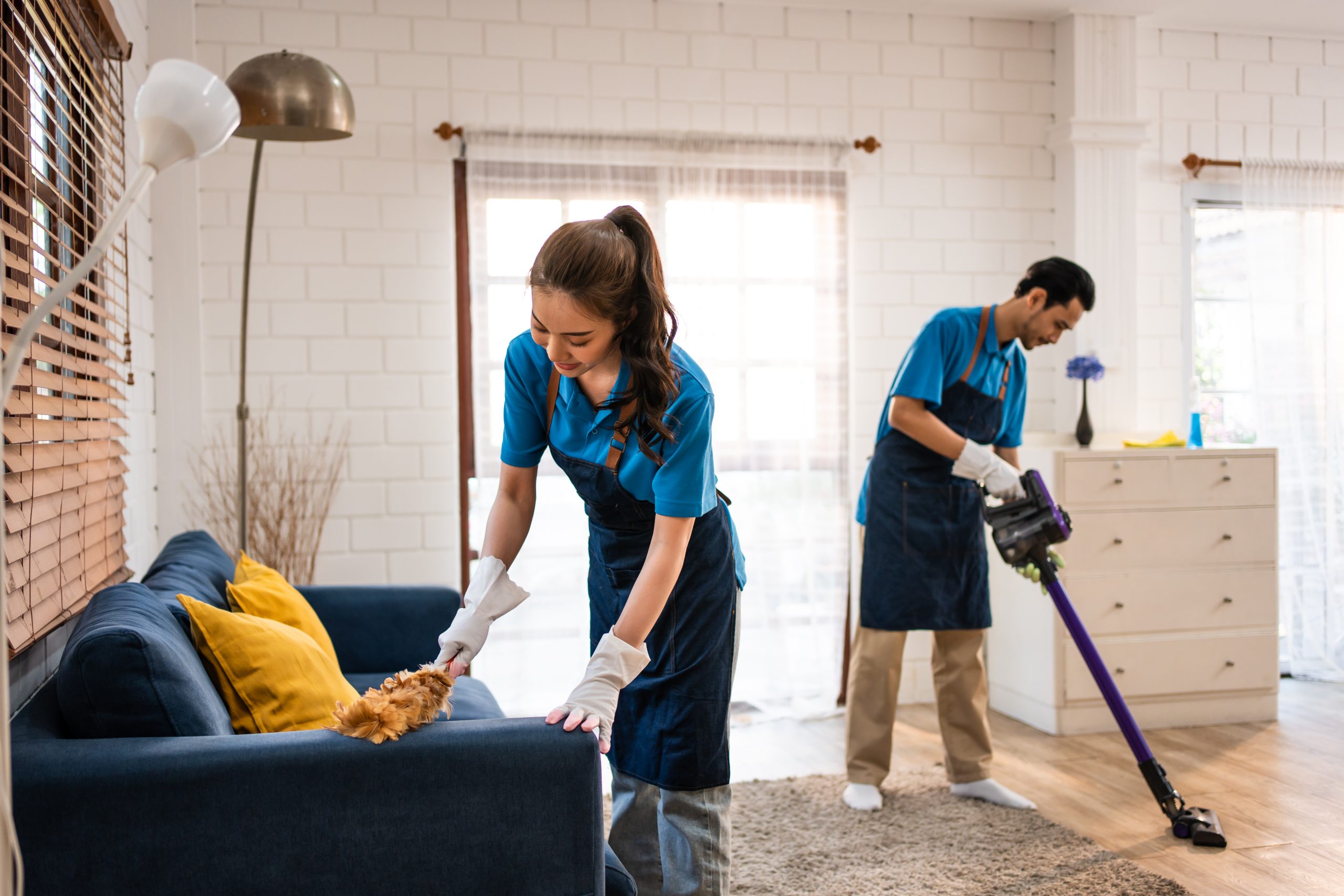
Two of Brooklyn’s most talked-about neighborhoods, one practical question — if you live in Gowanus or Crown Heights and you’re trying to decide how often to schedule professional cleaning, the answer isn’t the same for both. These neighborhoods have meaningfully different housing stock, environmental conditions, and resident profiles that shape how quickly apartments deteriorate between cleaning sessions and what professional service actually needs to address. This guide breaks down both neighborhoods honestly so residents can make a genuinely informed decision about cleaning frequency — and understand what’s driving the difference.
How Cleaning Frequency Is Determined in Any Brooklyn Neighborhood
Cleaning frequency in any Brooklyn neighborhood is shaped by the combination of housing type, building age, environmental conditions, and household lifestyle — not by personal preference alone. A well-maintained modern apartment in a quiet residential area has lower baseline cleaning demands than an older pre-war unit on a busy street. Understanding which factors apply to your specific living situation produces better decisions about cleaning frequency than any generic recommendation.
What drives cleaning frequency requirements across Brooklyn neighborhoods:
- Building age and surface materials — older stock accumulates grime faster and is less forgiving of inconsistent cleaning
- Environmental factors — industrial history, traffic, proximity to water, and seasonal debris all affect how quickly apartments deteriorate
- Housing type and layout — apartments in larger buildings with shared corridors differ from ground-floor units in converted industrial spaces
- Household density and lifestyle — higher occupancy and more active daily use accelerate cleaning needs
- Local air quality and particulate levels — industrial and commercial proximity affects indoor air quality directly
Gowanus: Industrial History and the Case for More Frequent Cleaning
Gowanus is one of Brooklyn’s most environmentally distinctive neighborhoods — a rapidly gentrifying industrial corridor built around the Gowanus Canal, one of the most contaminated waterways in the United States. The neighborhood’s residential population has grown significantly over the past decade as converted warehouses, new luxury developments, and renovated older buildings have attracted renters and buyers who value the neighborhood’s creative energy and relative affordability. What many new residents don’t anticipate is what living adjacent to an active EPA Superfund site means for their apartment’s cleaning demands.
The environmental reality in Gowanus is specific and measurable. Canal-adjacent humidity affects ground-floor and lower-level units in ways that accelerate mold and mildew in bathrooms and under-sink areas faster than in drier inland locations. Industrial particulate from the neighborhood’s remaining active businesses and remediation activity deposits on window sills, vents, and horizontal surfaces at rates higher than residential-only neighborhoods. Converted warehouse lofts with exposed ductwork and industrial HVAC systems circulate this particulate broadly throughout living spaces.
Residential cleaning in Gowanus in this environment needs to account for these conditions directly — not apply a standard residential protocol to a living space with genuinely different air quality and humidity characteristics.
What Gowanus Apartments Typically Require
- More frequent window sill and vent cleaning due to elevated particulate from canal-adjacent industrial activity
- Regular bathroom grout and under-sink attention driven by canal-proximity humidity and mildew acceleration
- Dedicated HVAC grille cleaning in converted loft buildings where industrial ductwork circulates particulate broadly
- Entryway floor attention for ground-floor units in converted buildings where outdoor debris and canal humidity track in consistently
- More intensive kitchen surface cleaning in open-plan loft layouts where cooking particulate disperses further without enclosed kitchen ventilation
Crown Heights: Dense Residential Living and the Consistency Challenge
Crown Heights presents a different cleaning profile — less driven by environmental contamination and more by the combination of building age, household density, and the pace of daily life in one of Brooklyn’s most densely populated residential neighborhoods. Crown Heights’ housing stock is predominantly pre-war limestone and brick apartment buildings, converted brownstones, and low-rise walk-ups that span the blocks between Eastern Parkway and Empire Boulevard — beautiful, characterful buildings with the cleaning demands their age creates.
Pre-war apartments in Crown Heights feature original tile bathrooms that stain faster than modern surfaces, older kitchen appliances that accumulate grease more aggressively, and hardwood floors that respond poorly to inconsistent or product-inappropriate cleaning. The neighborhood’s density also means shared building corridors, stairwells, and entryways that track debris into individual units every time the apartment door opens — a persistent cleaning factor that lower-density neighborhoods don’t face at the same level.
House cleaning in Crown Heights delivers particular value for renters in older buildings where the gap between what daily tidying achieves and what the apartment actually requires is wider than modern construction creates — and where that gap compounds quickly if professional cleaning isn’t consistent.
What Crown Heights Apartments Typically Require
- Regular bathroom grout scrubbing — pre-war tile absorbs staining progressively and doesn’t recover without dedicated attention
- Kitchen degreasing on a consistent schedule — older appliances in active cooking households accumulate residue faster than modern units
- Hardwood floor care with appropriate products — original hardwood throughout Crown Heights’ pre-war stock requires pH-neutral cleaners applied correctly
- Entryway and corridor debris management for units in densely occupied buildings with high daily foot traffic
- Vent and radiator cover attention during heating season — steam radiators common throughout Crown Heights circulate fine dust broadly from October through April
Does Gowanus or Crown Heights Require More Frequent Professional Cleaning?
Gowanus generally requires more frequent cleaning for environmental reasons — canal-proximity humidity, industrial particulate, and the specific demands of converted loft buildings create conditions that standard biweekly cleaning struggles to manage. Most Gowanus residents in canal-adjacent or ground-floor units benefit from weekly or at minimum biweekly service. Crown Heights residents in pre-war apartments benefit from consistent biweekly cleaning but can often manage with monthly professional service supplemented by disciplined daily habits — the driver here is building age, not environmental contamination.
How Do Cleaning Costs Compare Between Gowanus and Crown Heights?
Cleaning pricing in both neighborhoods is primarily driven by apartment size, floor count, and service frequency rather than geography at this scale. The notable difference is that Gowanus’s converted loft buildings often have larger floor plans and more open layouts than Crown Heights’ apartment units — which typically results in higher per-visit pricing in Gowanus not because of location but because of the larger square footage being cleaned. Crown Heights’ pre-war apartments are often smaller, which makes per-visit costs more modest, but the frequency requirement means total monthly spend can be comparable.
Which Neighborhood Has More Consistent Cleaning Service Availability?
Crown Heights benefits from higher provider density due to its proximity to heavily serviced areas like Park Slope and Prospect Heights. Gowanus, despite its rapid residential growth, sits in a less centrally serviced corridor — quality providers operate there but booking competition can be higher around month-end when the neighborhood’s active rental turnover creates simultaneous demand. In both neighborhoods, booking 5–7 days in advance for recurring service is advisable.
Neighborhood-Specific Cleaning Challenges Side by Side
Gowanus-Specific Challenges
The 4th Avenue construction corridor and the blocks immediately adjacent to the canal deal with active construction particulate on top of industrial baseline conditions — a combination that makes weekly surface dusting genuinely necessary in affected units. New luxury developments along the canal waterfront have modern construction but face the same canal-proximity humidity as older buildings — bathroom mold management and under-sink attention are relevant regardless of building age in this location. Ground-floor units in converted industrial buildings are particularly vulnerable to moisture infiltration and require more intensive bathroom and entryway protocols than upper-floor units.
Crown Heights-Specific Challenges
Eastern Parkway-facing buildings deal with elevated traffic particulate that infiltrates street-level and lower-floor apartments through windows and doors continuously. The blocks surrounding Brower Park and the Kingston Avenue commercial corridor see higher pedestrian foot traffic that tracks debris into building entryways and individual units. During heating season — October through April — steam radiators throughout Crown Heights’ older building stock circulate fine dust that settles on every horizontal surface within days of cleaning, making biweekly service significantly more effective than monthly during these months.
For residents in both neighborhoods, home cleaning services that account for these specific local conditions — rather than applying a generic Brooklyn cleaning checklist — produce consistently better results across every visit.
Comparison: Gowanus vs Crown Heights for Cleaning Frequency
| Factor | Gowanus | Crown Heights |
|---|---|---|
| Primary housing type | Converted lofts, new luxury, renovated walk-ups | Pre-war apartments, brownstones, walk-ups |
| Environmental cleaning driver | Canal humidity, industrial particulate | Building age, radiator dust, density |
| Recommended base frequency | Weekly to biweekly | Biweekly |
| Heating season impact | Moderate | High — radiator dust accelerates significantly |
| Bathroom mold/mildew risk | Higher — canal-adjacent humidity | Moderate — older ventilation |
| Cleaning complexity | Higher in loft conversions | Moderate — consistent across building type |
5 Practical Tips for Residents in Both Neighborhoods
- Match frequency to your specific unit type, not just neighborhood — A top-floor Gowanus loft away from the canal has different cleaning demands than a ground-floor unit adjacent to it. A Crown Heights apartment in a well-ventilated modern conversion differs from a pre-war studio with original tile. Assess your specific conditions, not just the neighborhood average.
- Prioritize bathrooms and vents regardless of frequency — In both Gowanus and Crown Heights, bathrooms and ventilation systems are the areas most sensitive to environmental conditions and most likely to compound between visits. Treat these as non-negotiable focus areas regardless of how infrequently everything else is professionally cleaned.
- Request building-type-specific experience from any provider — Loft cleaning in Gowanus requires different approaches than pre-war apartment cleaning in Crown Heights. Confirm your provider has current clients in your specific building type before booking — not just general Brooklyn residential experience.
- Adjust frequency seasonally, not just annually — Crown Heights’ heating season and Gowanus’s warmer-month humidity peaks both create seasonal cleaning demand spikes. A static year-round schedule underserves your apartment during its highest-demand periods. Build in seasonal adjustments — biweekly during winter in Crown Heights, more intensive bathroom attention during summer in Gowanus.
- Start with a deep clean before establishing a recurring schedule — In both neighborhoods, the first professional visit should be a full deep clean that establishes a genuine baseline. Recurring maintenance cleaning is only as effective as the baseline it maintains — and in older Brooklyn buildings with accumulated buildup, that baseline matters.
Serving Both Neighborhoods — Consistent Quality Across Brooklyn
Whether your apartment is a converted loft along the Gowanus Canal or a pre-war two-bedroom on a Crown Heights brownstone block, Crazy Peazy Cleaning delivers reliable residential cleaning built around your building type, household size, and the specific environmental conditions your neighborhood creates.
Explore our Gowanus house cleaning services or book directly for your Crown Heights home — the same standard of thorough, locally informed cleaning applied to wherever you live in Brooklyn.
The Bottom Line
Gowanus and Crown Heights make the case for professional cleaning differently. Gowanus’s industrial history, canal-adjacent environmental conditions, and converted loft building stock create cleaning demands that require more frequent professional attention — particularly for ground-floor and canal-adjacent units where humidity and particulate infiltration are most intense. Crown Heights’ older pre-war building stock, radiator heating, and residential density create consistent cleaning demands that are best managed with biweekly professional service calibrated to the heating season. In both neighborhoods, the most important factor isn’t which neighborhood you’re in — it’s whether your cleaning approach accounts for the specific conditions of the building you’re actually living in.
Crazy Peazy Cleaning serves both, with the local knowledge to tell the difference.
For retail stores, offices, studios, and mixed-use spaces, professional cleaning isn’t about appearance alone. It’s about compliance, consistency, and protecting your brand in a competitive neighborhood.
Why Do Businesses in SoHo Rely on Professional Commercial Cleaning?
Professional commercial cleaning services help SoHo businesses maintain hygienic, compliant, and client-ready spaces by using trained crews, commercial-grade equipment, and structured cleaning systems. Unlike ad-hoc cleaning, professional services deliver consistent results that meet building standards, reduce health risks, and protect high-end interiors common throughout SoHo.
Key reasons businesses rely on professional cleaning:
High daily foot traffic demands frequent, thorough cleaning
Premium interiors require trained handling and proper products
Shared buildings enforce strict cleanliness standards
Clients associate cleanliness directly with brand credibility
Businesses need reliable service without operational disruption
The Unique Cleaning Demands of SoHo Businesses
SoHo isn’t a typical commercial district. Its mix of luxury retail, creative offices, showrooms, and historic buildings creates very specific cleaning challenges.
High-Visibility Storefronts & Client Areas
Dirty glass, dusty fixtures, or neglected floors are immediately noticeable in SoHo. Professional local commercial cleaning ensures storefronts, reception areas, and sales floors remain spotless throughout business hours.
Historic Buildings & Sensitive Materials
Many SoHo spaces feature original wood floors, exposed brick, designer finishes, and custom fixtures. Improper cleaning can cause permanent damage. Experienced office cleaners near me understand how to clean without compromising these surfaces.
Compliance & Shared Building Standards
Commercial buildings often require documentation, insurance, and consistent schedules. A reputable local cleaning company ensures your business meets landlord and property management requirements without added stress.
What Professional Commercial Cleaning Covers (and Why It Matters)
Businesses often underestimate what “commercial cleaning” should include. A professional service goes beyond basic surface cleaning.
Common professional services include:
Workstation, desk, and shared-space sanitation
Restroom disinfection and restocking
Floor care (hard floors, carpets, entry mats)
Trash and recycling management
High-touch point sanitization (handles, switches, rails)
Glass and interior window cleaning
For SoHo businesses, consistency matters just as much as scope. That’s why many choose Commercial Cleaning in SoHo services that follow documented checklists and quality controls rather than rotating staff or casual cleaners.
Why SoHo Businesses Prefer Local Commercial Cleaning Providers
Hiring a local provider isn’t just convenient—it’s strategic.
Faster Response & Flexible Scheduling
Local teams understand SoHo traffic patterns, delivery restrictions, and building access rules. This allows cleaning to happen after hours, early mornings, or between shifts without disruption.
Neighborhood-Specific Experience
A local provider has experience cleaning similar businesses nearby—retail spaces, creative offices, galleries, and professional firms—so they know what standards are expected.
Accountability & Consistency
Businesses working with a trusted cleaning company benefit from consistent crews, local supervision, and faster issue resolution.
This is why many SoHo businesses choose Crazy Peazy Cleaning for reliable, professional commercial cleaning solutions tailored to the neighborhood.
Is Professional Commercial Cleaning Worth It for Small Businesses?
Yes. Professional cleaning is often more cost-effective than in-house cleaning when you factor in labor, supplies, management time, and inconsistent results. It also reduces liability risks and protects your brand image.
For small offices, studios, and retail spaces, professional cleaning provides predictable costs and professional-level results without operational headaches.
How Often Should a Business Schedule Commercial Cleaning?
Most SoHo businesses benefit from cleaning multiple times per week, while high-traffic retail or shared offices often require daily service. The right frequency depends on foot traffic, business type, and building requirements.
A professional Office Cleaning in Soho provider can assess your space and recommend a schedule that balances cleanliness, budget, and operational needs.
Can Commercial Cleaning Improve Workplace Health?
Absolutely. Regular professional cleaning reduces allergens, bacteria, and viruses on shared surfaces. This leads to fewer sick days, better employee morale, and a healthier environment for clients and staff alike.
Why Commercial Cleaning Matters Specifically in SoHo, NY
SoHo businesses operate under a microscope. Customers expect immaculate spaces, landlords enforce standards, and competitors are steps away.
Professional commercial cleaning SoHo services help businesses:
Maintain brand credibility in a premium district
Meet property management requirements
Protect historic interiors and high-end finishes
Create safer environments for staff and customers
Serving SoHo, NY daily, Crazy Peazy Cleaning understands the pace, expectations, and operational realities of businesses in this neighborhood.
Learn more about our service coverage on our SoHo commercial cleaning page:
https://crazypeazycleaning.com/soho/commercial-cleaning/
Practical Tips for Choosing the Right Commercial Cleaning Company
Before hiring a cleaning provider, SoHo businesses should:
Confirm experience with similar commercial spaces
Ask about cleaning checklists and quality control
Verify insurance and compliance documentation
Ensure flexible scheduling options
Choose a local provider familiar with SoHo buildings
Avoid companies that rely on temporary labor or vague service descriptions—consistency is critical in a high-visibility area.
When Professional Help Makes the Most Sense
If your business has clients onsite, shared workspaces, or premium interiors, professional cleaning isn’t a luxury—it’s a necessity. Working with a reliable local cleaning company allows you to focus on operations while maintaining a spotless, professional environment.
Businesses looking for dependable businesses cleaning services often start by partnering with a team that already serves SoHo daily.
Explore professional commercial cleaning options with Crazy Peazy Cleaning here:
https://crazypeazycleaning.com/soho/commercial-cleaning/
Conclusion
SoHo businesses trust professional commercial cleaning because it delivers consistency, compliance, and credibility. In a neighborhood where presentation and professionalism matter, reliable cleaning supports everything from employee health to customer perception.
By working with an experienced, local provider like Crazy Peazy Cleaning, businesses in SoHo gain peace of mind—and a cleaner, more professional space every day.